
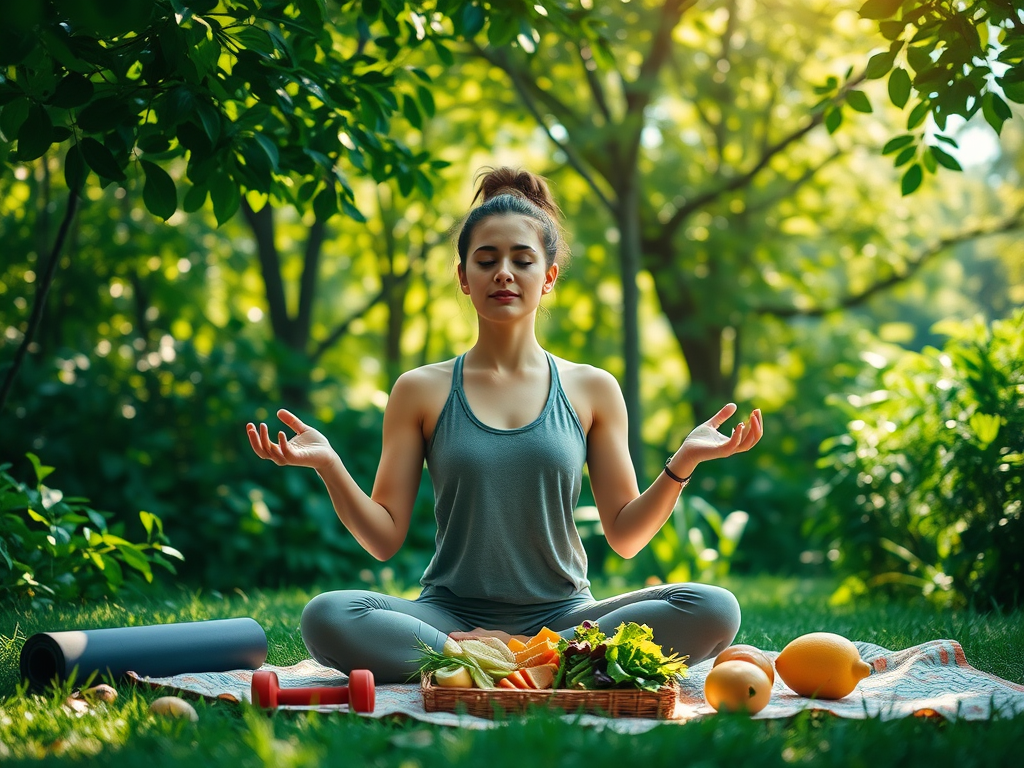
For over two decades, I’ve navigated the choppy waters of anxiety. It’s been a journey of highs and lows, but through it all, I’ve discovered strategies that have not only helped me manage my anxiety but also thrive despite it. Here, I share with you 10 proven ways to combat anxiety, drawing from my personal experience and the latest psychological insights.
1. Mindfulness Meditation
Mindfulness meditation has been a cornerstone in my fight against anxiety. It’s about being present in the moment, acknowledging your thoughts and feelings without judgment. Starting with just a few minutes a day, this practice has helped me reduce my anxiety levels significantly.
Mindfulness meditation reduces anxiety by altering the brain’s structure and function. It increases the density of gray matter in areas associated with attention, emotion regulation, and self-awareness. Regular practice can decrease activity in the amygdala, the brain’s “fight or flight” center, which is activated during anxiety and stress responses (Hölzel et al., 2011).
2. Regular Exercise
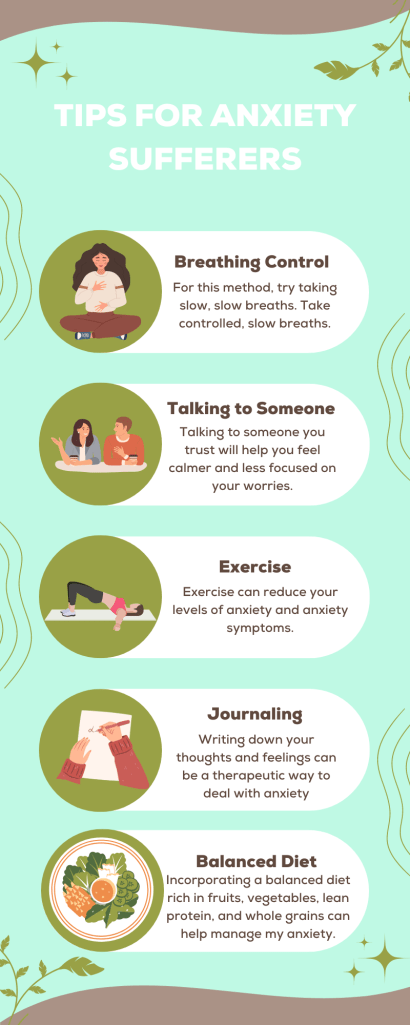
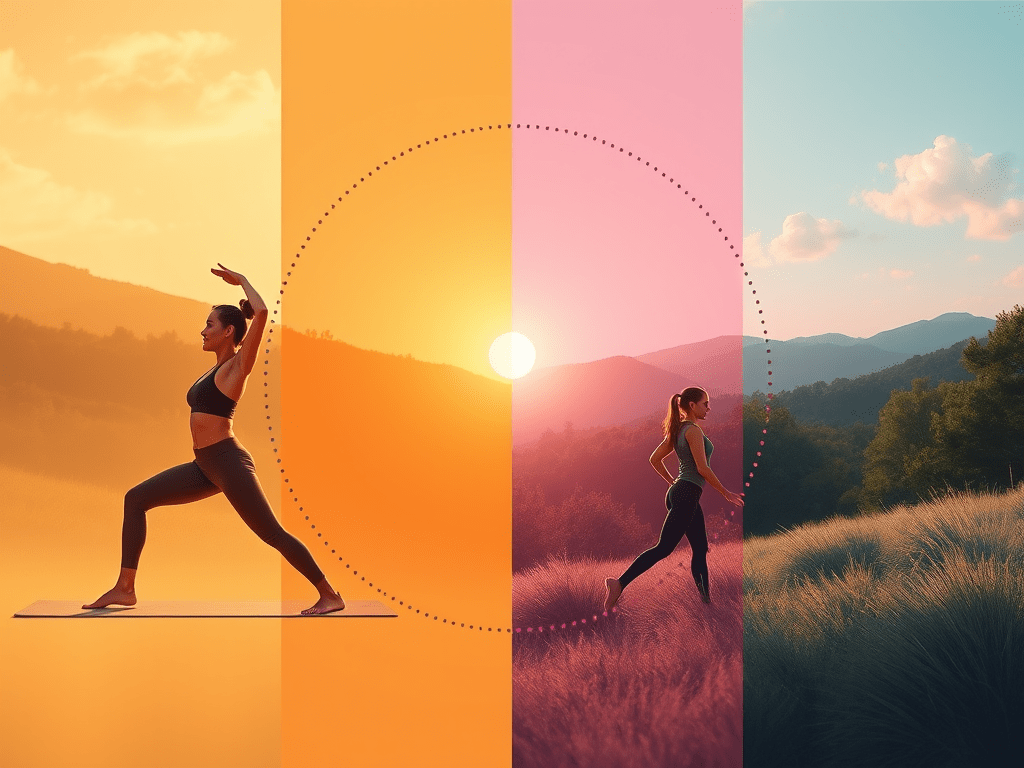
Exercise is not just about physical health; it’s a powerful tool against anxiety. Engaging in regular physical activity releases endorphins, the body’s natural mood lifters. Whether it’s a brisk walk, yoga, or a high-intensity workout, find an activity that you enjoy and make it a part of your routine.
Exercise combats anxiety through the release of endorphins, chemicals in the brain that act as natural painkillers and mood elevators. It also leads to a reduction in stress hormones, like cortisol. Studies have shown that regular physical activity improves symptoms of anxiety and depression and contributes to maintaining mental health (Anderson & Shivakumar, 2013).
3. A Balanced Diet
What we eat directly impacts how we feel. Incorporating a balanced diet rich in fruits, vegetables, lean protein, and whole grains has helped me manage my anxiety. Limiting caffeine and sugar intake can also reduce spikes in anxiety levels.
A balanced diet affects mood and anxiety levels through various mechanisms, including the regulation of neurotransmitters and hormones that influence brain function. Nutrients such as omega-3 fatty acids, antioxidants, and vitamins have been found to reduce anxiety symptoms. The gut-brain axis also plays a crucial role, where a healthy gut microbiome can positively impact mental health (Selhub, 2015).
4. Quality Sleep
Never underestimate the power of a good night’s sleep. Anxiety can make sleeping well challenging, but establishing a calming bedtime routine and ensuring a comfortable sleep environment have been key to improving my sleep quality and, in turn, reducing anxiety.
Sleep and anxiety have a bidirectional relationship, where poor sleep can increase anxiety levels, and high anxiety can disrupt sleep. Good sleep hygiene practices can enhance sleep quality, reducing anxiety. Sleep affects various brain processes that control emotional and social responses, and chronic sleep deprivation can heighten anxiety sensitivity (Kahn, Sheppes, & Sadeh, 2013).
5. Journaling
Writing down my thoughts and feelings has been a therapeutic way to deal with anxiety. Journaling helps to clarify thoughts and provides an opportunity for positive self-talk and gratitude practices. See my post on journal prompts to give you some ideas to begin your journaling adventure.
6. Deep Breathing Techniques
Learning deep breathing techniques has offered me an immediate tool to calm anxiety when it spikes. Techniques like the 4-7-8 method or diaphragmatic breathing can be practiced anywhere, providing quick relief in anxious moments.
Deep breathing techniques can help reduce anxiety by activating the parasympathetic nervous system, which counteracts the body’s stress response. This results in a decrease in heart rate, blood pressure, and muscle tension, promoting a state of calmness. Controlled breathing exercises have been shown to reduce levels of cortisol, the stress hormone (Ma, Yue, Gong, Zhang, Duan, Shi, Wei, & Li, 2017).
7. Setting Realistic Goals
Setting and achieving realistic goals has helped me build confidence and reduce anxiety. Breaking down larger goals into smaller, manageable tasks makes them less overwhelming and boosts a sense of accomplishment.
8. Limiting Alcohol and Caffeine
Both alcohol and caffeine can exacerbate anxiety. Reducing their intake has been crucial in managing my anxiety levels, leading to more stable moods and better overall health.
9. Seeking Professional Help
There’s strength in seeking help. Working with a therapist has been instrumental in understanding the roots of my anxiety and developing personalized strategies to cope with it. Cognitive-behavioral therapy (CBT) and other therapeutic approaches can offer significant relief.
Therapies like Cognitive Behavioral Therapy (CBT) are grounded in research showing that changing negative thought patterns and behaviors can significantly reduce anxiety. Therapy provides tools for coping with anxiety, addressing root causes, and changing the brain’s response to stress.
10. Building a Support Network
Finally, building a strong support network of friends, family, or support groups who understand what you’re going through can make a world of difference. Sharing experiences and coping strategies has been invaluable in my journey.
Combating anxiety is a personal journey, and what works for one person may not work for another. However, by sharing these strategies that have helped me manage my anxiety over the last 20 years, I hope to offer insights and encouragement to others facing similar challenges. Remember, it’s okay to seek help, and with the right strategies and support, it’s possible to live a fulfilling life despite anxiety.
- Hölzel, B. K., Carmody, J., Vangel, M., Congleton, C., Yerramsetti, S. M., Gard, T., & Lazar, S. W. (2011). Mindfulness practice leads to increases in regional brain gray matter density. Psychiatry Research: Neuroimaging, 191(1), 36-43.
- Anderson, E., & Shivakumar, G. (2013). Effects of exercise and physical activity on anxiety. Frontiers in Psychiatry, 4, 27.
- Selhub, E. (2015). Nutritional psychiatry: Your brain on food. Harvard Health Blog.
- Kahn, M., Sheppes, G., & Sadeh, A. (2013). Sleep and emotions: Bidirectional links and underlying mechanisms. International Journal of Psychophysiology, 89(2), 218-228.
- Ma, X., Yue, Z. Q., Gong, Z. Q., Zhang, H., Duan, N. Y., Shi, Y. T., Wei, G. X., & Li, Y. F. (2017). The effect of diaphragmatic breathing on attention, negative affect and stress in healthy adults. Frontiers in Psychology, 8, 874.



 Unfinished Coffee
Leave a comment