
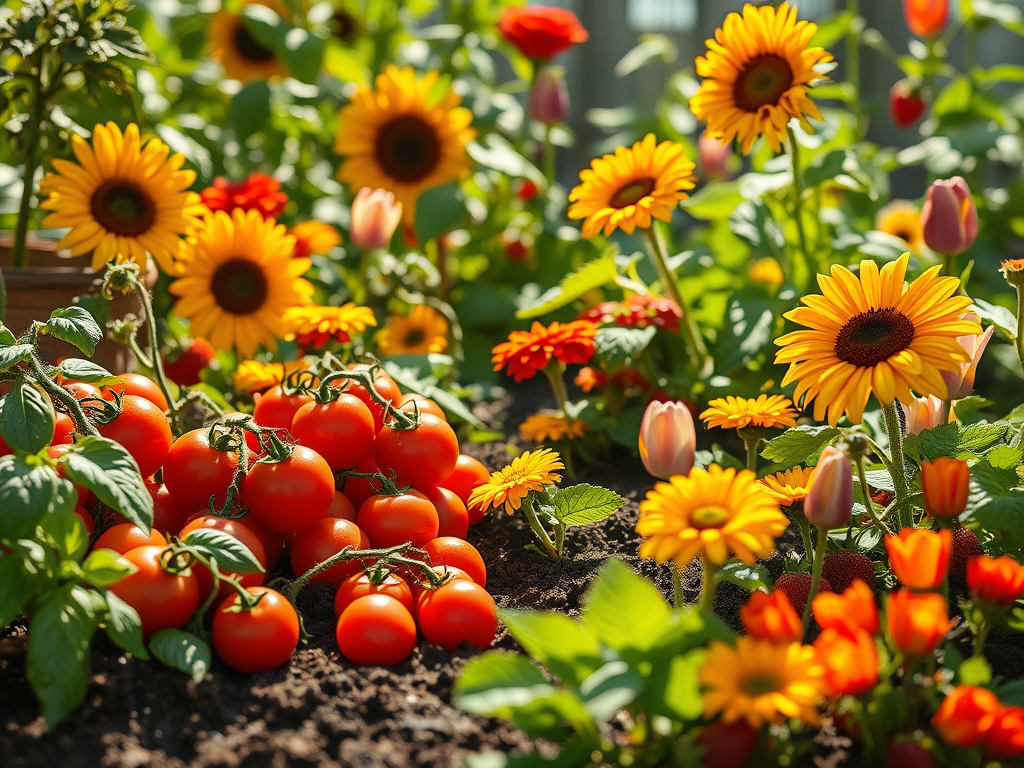
Gardening is not just a pastime; it’s a journey of discovery, growth, and connection to nature. For beginners, the world of gardening offers an enriching experience that can improve both your home and wellbeing. In this guide, we’ll explore the essentials of starting your gardening hobby, the benefits it brings, and tips to make your garden thrive.
Why Gardening?
Mental and Physical Health Benefits: Gardening is a therapeutic activity. It reduces stress, enhances mood, and offers physical exercise. The satisfaction of nurturing plants and watching them grow can provide a unique sense of accomplishment and tranquility.
Environmental Impact: By gardening, you contribute to a greener planet. Plants purify the air, and gardening practices such as composting can reduce household waste.
Beautification and Self-Sufficiency: A well-maintained garden not only beautifies your home but can also provide herbs, vegetables, and fruits, leading to a more self-sufficient lifestyle.
Getting Started: The Basics of Gardening
Choosing the Right Plants: Research plants suitable for your climate and soil type. Consider starting with easy-to-grow plants like tomatoes, basil, sunflowers, or marigolds.
Tools and Equipment: Begin with basic tools like gloves, a spade, a watering can, and pruning shears. As your garden grows, you might need more specialized equipment.
Understanding Soil and Sunlight: Plants have different needs in terms of soil and sunlight. Learn about the soil in your area and observe how sunlight moves across your garden to choose the best spots for your plants.
Choosing the Right Plants for Your Climate
The key to a thriving garden is selecting plants that are well-suited to your local climate. Here are some easy-to-grow plants for various climate zones:
Cool Climates: Kale, Spinach, Peas, Radishes, Lettuce, and Chard are excellent choices for cooler regions. They can withstand frost and shorter growing seasons.
Temperate Climates: Tomatoes, Zucchini, Cucumbers, Beans, Strawberries, and Basil thrive in areas with warm summers and mild winters.
Warm Climates: Sweet Potatoes, Peppers, Eggplant, Melons, Okra, and Corn are perfect for warmer climates, requiring more heat and longer growing seasons.
Tips for a Thriving Garden
Water Wisely: Over-watering is a common mistake. Most plants prefer deep, infrequent watering to shallow, frequent watering.
Pruning and Maintenance: Regular pruning helps to keep plants healthy. Remove dead or diseased foliage to encourage new growth.
Pest Control: Natural pest control methods, such as encouraging beneficial insects and using organic repellents, are effective and eco-friendly.
Overcoming Common Challenges
Dealing with Pests and Diseases
- Prevention: Choose disease-resistant plant varieties and keep your garden clean of debris.
- Natural Solutions: Use natural predators like ladybugs, or homemade remedies such as neem oil and soap sprays.
Contending with Weeds
- Regular Maintenance: Regular weeding will keep them from taking over your garden.
- Mulching: A good layer of mulch can suppress weed growth significantly.
Managing Water Issues
- Overwatering: Ensure your soil drains well and let it dry out slightly between waterings.
- Drought: Choose drought-resistant plants and use water-conserving practices like drip irrigation.
Connecting with the Gardening Community
Joining a local gardening club or online forums can provide invaluable advice, inspiration, and support. Sharing experiences and challenges with fellow gardening enthusiasts can enrich your gardening journey.
Gardening as a hobby is a rewarding endeavor that nurtures not only plants but the gardener’s body and soul. It offers a sanctuary for growth, creativity, and tranquility. With these tips and a bit of patience, you’ll soon witness the magic that comes with the art of gardening. Happy gardening!







 Unfinished Coffee
Leave a comment