
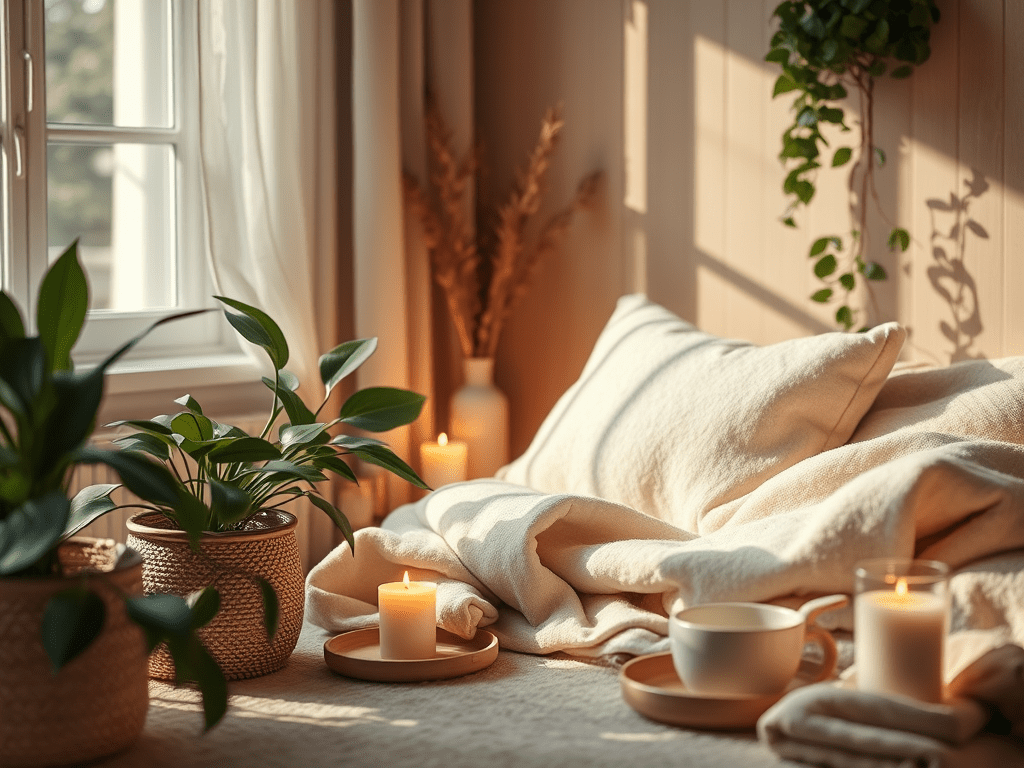
A few years ago, my idea of wellness looked a lot like what you’d see in a perfectly curated morning routine video—early wake-ups, intense workouts, and a long list of self-improvement tasks. But over time, I realized something: I wasn’t feeling better. I was exhausted, constantly measuring my success by how “optimized” my routine was.
That’s when I stumbled upon the idea of soft wellness—a slower, more intuitive approach to well-being that focuses on balance rather than extremes. And I wasn’t alone. Research shows that people are moving away from strict wellness regimens and embracing more flexible, stress-free routines. A recent survey by McKinsey & Company found that 79% of consumers consider wellness a priority, but they’re shifting towards more mindful, sustainable habits rather than intense, all-or-nothing approaches.
If you’ve ever felt like self-care has become another thing on your to-do list, this trend might be exactly what you need.
What Is Soft Wellness?
Soft wellness is about listening to your body and mind, making small, intentional choices that enhance your well-being without causing stress or burnout. Instead of forcing yourself into rigid routines, it encourages flexibility, self-compassion, and balance.
Key aspects of soft wellness include:
💆♀️ Gentle movement: Prioritizing activities like yoga, walking, and stretching rather than always opting for high-intensity workouts.
🥗 Flexible nutrition: Choosing foods that nourish you without obsessing over every ingredient or calorie.
🛏️ Prioritizing rest: Understanding that sleep, breaks, and moments of stillness are essential—not signs of laziness.
🌿 Mindful self-care: Engaging in simple practices like journaling, deep breathing, or enjoying a quiet cup of tea, rather than feeling pressured to follow elaborate beauty or wellness routines.
🧘♀️ Mental well-being focus: Shifting from productivity-driven self-care to practices that genuinely support your mental and emotional health.
Why Is Soft Wellness Trending?
The rise of soft wellness is a reaction to years of hustle culture and perfectionist wellness trends. Social media was once filled with extreme fitness challenges, restrictive diets, and intense morning routines—but now, more people are questioning whether those approaches actually improve their lives.
The Science Behind the Shift
- A 2023 study published in The Journal of Behavioral Medicine found that people who engage in moderate-intensity exercise, rather than extreme workouts, report higher levels of long-term adherence and lower stress.
- The Global Wellness Institute predicts that mindful and restorative wellness practices (such as breathwork, intuitive eating, and slow living) will be a dominant trend in 2025.
- Studies on burnout, including research by the American Psychological Association, show that over-scheduling and high-pressure self-improvement tactics often backfire, leading to anxiety and decreased motivation.
In short? People are tired of feeling tired—and they’re looking for a more realistic, enjoyable approach to self-care.
How to Incorporate Soft Wellness Into Your Life
If you’re ready to shift to a gentler, more flexible wellness routine, here are some easy ways to get started:
1. Rethink Your Morning Routine
Instead of trying to pack in meditation, journaling, a workout, and a green smoothie before 7 a.m., ask yourself: What would actually help me start my day feeling good? Maybe it’s stretching for five minutes, listening to a podcast, or simply not rushing.
👉 Try this: Replace one “must-do” morning task with something that genuinely makes you feel relaxed.
2. Move in a Way That Feels Good
I used to push myself through high-intensity workouts even when my body was screaming for rest. Now, I pay attention to what I need—some days, that’s strength training, but other days, it’s just a slow walk or some light stretching.
👉 Try this: Swap one intense workout per week for a gentler activity and see how your body responds.
3. Stop Overcomplicating Self-Care
You don’t need a 10-step skincare routine or a perfectly curated wellness practice. Self-care should feel nourishing, not like another task.
👉 Try this: Pick one simple self-care practice that you actually enjoy—maybe it’s sipping a warm drink at night, reading before bed, or doing a five-minute breathing exercise.
4. Prioritize Rest Without Guilt
One of the biggest shifts I’ve made is letting myself rest without feeling guilty about it. Rest isn’t just for when you’ve “earned” it—it’s a necessity.
👉 Try this: Give yourself permission to take a break before you hit burnout. Whether that means a nap, an evening of watching your favorite show, or saying no to plans, allow yourself to rest.
5. Unplug & Slow Down
We’re constantly bombarded with information, to-do lists, and notifications. Taking intentional breaks from screens and slowing down—even for just a few minutes—can make a huge difference.
👉 Try this: Set a timer for five minutes each day to do nothing. No phone, no multitasking—just being present.
Soft Wellness & Real Life
For me, embracing soft wellness has been a game-changer—especially as someone balancing work, parenting, and personal goals. It’s helped me feel more present, less stressed, and actually enjoy the things I do to take care of myself.
If you’ve been feeling overwhelmed by wellness culture, I encourage you to try this approach. You don’t have to overhaul your entire routine—just start with one small shift and see how it feels.
What’s one soft wellness habit you’d like to try? Drop a comment below—I’d love to hear from you!
✨ Looking for more ways to simplify wellness? Check out my post on cycle syncing workouts or journaling for self-discovery.





 Unfinished Coffee
Leave a comment